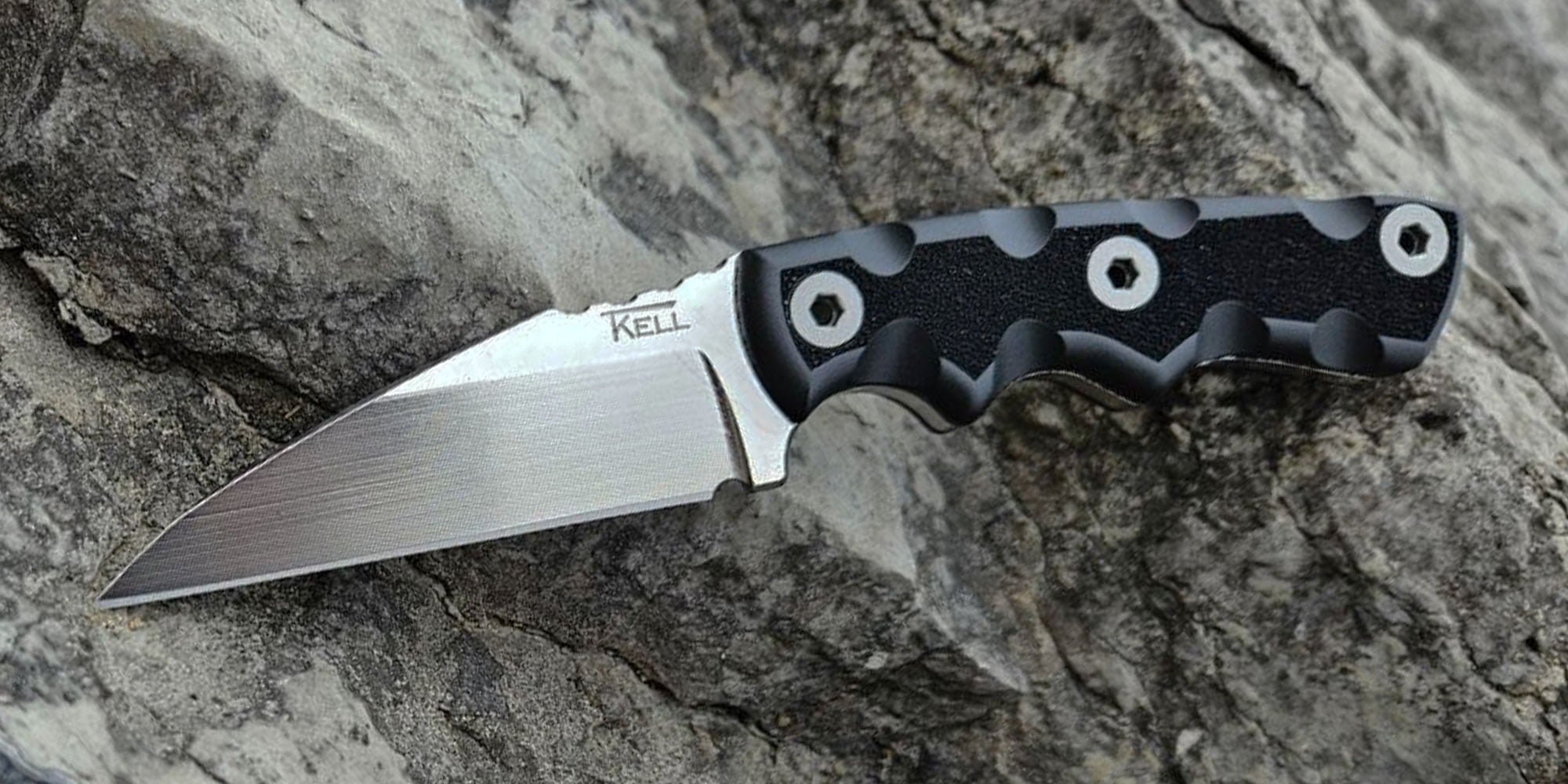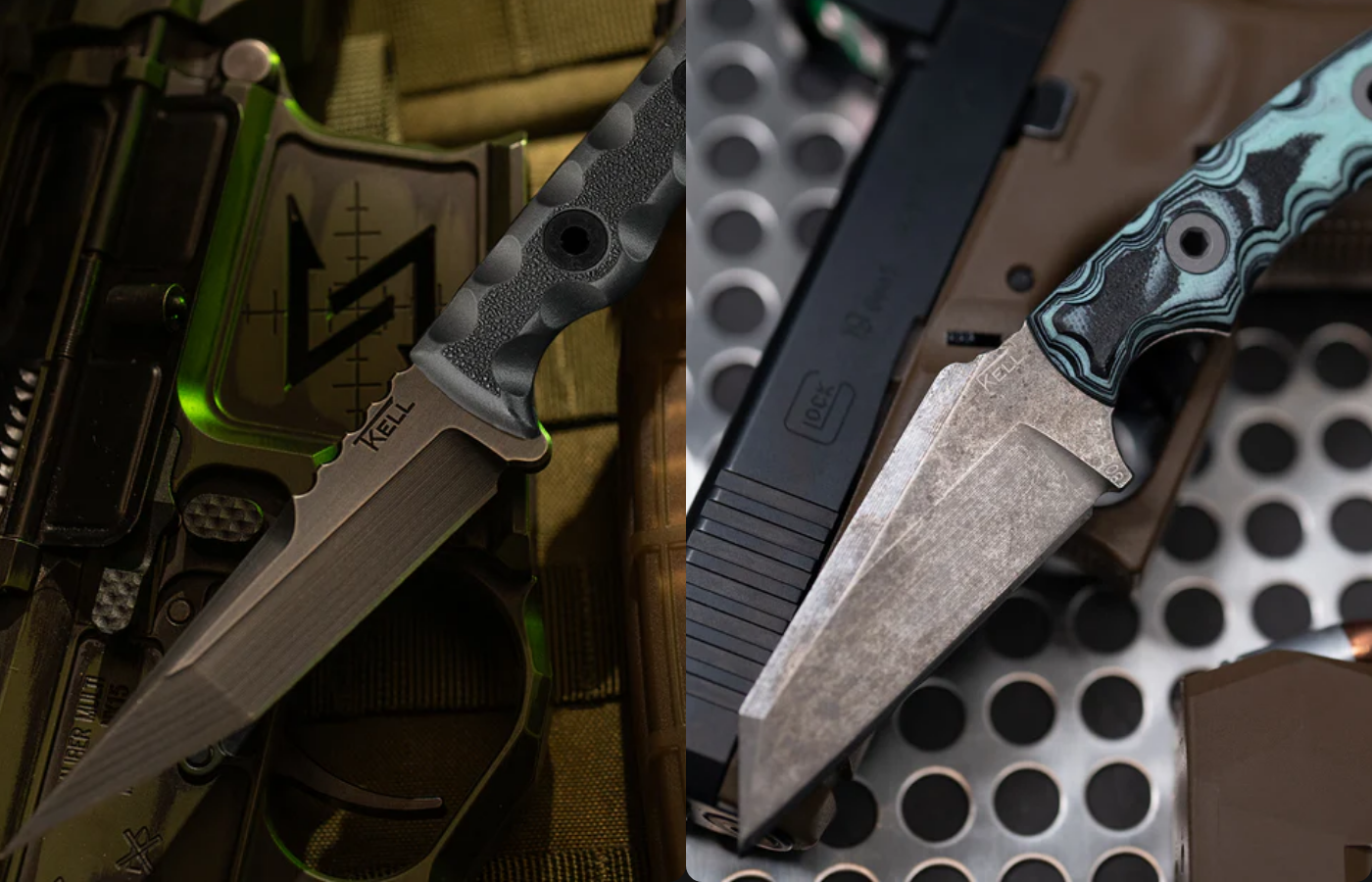

The Blade Breakdown: What Sets These Two Apart
At a Glance:
-
A knife is a single-edged cutting tool designed for everyday tasks, utility work, and general use
-
A dagger is a double-edged blade built primarily as a weapon for close quarters combat
-
Both feature a sharp edge and a pointed tip, but their blade geometry, purpose, and legal status differ significantly
-
Most people carrying a fixed blade or folding pocket knife for everyday carry are carrying a knife, not a dagger
-
Local laws and federal law treat daggers and knives differently, so knowing the distinction matters
At first glance, a dagger and a knife can look nearly identical. Both have a blade, a handle, and a point. But the key differences go deeper than appearance, and understanding them can affect how you buy, carry, and use either one.
Defining the Knife

A knife is one of the oldest tools in human history. At its core, it is a single-edged cutting tool designed to handle everyday tasks: cutting rope, preparing food, breaking down materials in the field, or serving as a reliable utility tool on the job.
Knives come in a wide range of forms:
-
Pocket knife / folding pocket knife: Compact, foldable, and legal to carry in most places
-
Fixed blade: A non-folding knife with a full tang, popular for outdoor and tactical use
-
Utility knife: Built for work, not combat, with a replaceable or retractable blade
-
Combat knife: A military-style fixed blade designed for field use, not purely for fighting
-
Kitchen knives: Culinary tools with single-edged blades shaped for specific prep tasks
What nearly all knives share is a single cutting edge along one side of the blade. The opposite side, called the spine, is typically unsharpened. This blade style supports slicing, chopping, and controlled cutting without the aggressive geometry of a weapon built purely for penetration.
A good steel blade with strong corrosion resistance and a sharp edge covers most of what working users need, whether they are hunters, hikers, tradespeople, or veterans who want a dependable everyday carry.
Defining the Dagger

A dagger is a short weapon with a double-edged blade, a pronounced point, and a design rooted in combat. Unlike a utility knife or pocket knife, the dagger was engineered to do one thing well: inflict damage in close quarters.
The defining features of a dagger include:
-
Double edge: Both sides of the blade are sharpened, which limits its usefulness as a cutting tool but increases its effectiveness as a thrusting weapon
-
Spear point tip: The symmetrical blade geometry directs force to a single point, making it effective for penetration
-
Short, rigid construction: Most daggers are compact enough to conceal and fast enough to deploy in melee situations
-
No utility function: A dagger is not a tool. It does not slice, chop, or whittle effectively because the double edge makes it awkward for most practical cutting tasks
Historically, daggers served as backup weapons carried alongside a sword or shield. The commando dagger, made famous in World War II, became a symbol of elite military units. The bayonet shares some dagger DNA, though it is technically a separate category. In some classifications, a very short dagger with a lengthened blade begins to overlap with what might be called a short sword, though blade length and design intent still separate the two.

Where the Overlap Gets Confusing
The main difference between a dagger and a knife is purpose and edge configuration, but the two categories do blur at the edges.
A combat knife, for example, may have a partially sharpened false edge along the spine that approaches double-edge territory without technically qualifying as a dagger. Some fixed blades use a spear point without a second cutting edge, which gives them a dagger-like appearance while still functioning as a utility tool.
The confusion often comes down to blade style and intent:
-
A knife with a clip point or drop point is built for controlled cutting
-
A blade with full double edge and a centered point is almost certainly a dagger
-
Anything in between requires closer inspection of the blade geometry
From a practical standpoint, most people carrying a steel blade for outdoor use, EDC, or fieldwork are carrying a knife. The dagger occupies a narrower category: collector pieces, historical reproductions, combat-specific tools, or in some cases, concealed weapons.
Legal Considerations Worth Knowing
This is where the dagger vs. knife distinction carries real weight. Local laws vary significantly by state and municipality, and the legal definition of a dagger often differs from that of a standard knife.
A few things to keep in mind:
-
Many states restrict or prohibit carrying daggers or double-edged blades in public, even if fixed blade knives are permitted
-
Federal law regulates certain blade types, and the automatic opening knife category has its own set of rules depending on blade length and mechanism
-
What is legal to own is not always legal to carry, and concealed carry laws often treat daggers more strictly than knives
-
Historical or collector daggers may fall outside standard carry restrictions but still require awareness of local laws
Before purchasing or carrying any blade, particularly a double edge design, it is worth checking the laws in your state and city. Ignorance of local law is not a legal defense.

Which One Do You Actually Need?
For the overwhelming majority of people, the answer is a knife. A well-made fixed blade or folding pocket knife handles everyday tasks, outdoor use, and EDC needs far better than a dagger, which offers almost no utility function outside of combat or collection.
A dagger is a purpose-built weapon with a specific history and a narrow practical application. If you are a collector, a history enthusiast, or someone building a display of military blades, a dagger has a place. For everyone else, a quality knife built to your specific needs will serve you better in the field, at camp, or clipped to your belt every day.
Find Your Everyday Carry at T.Kell Knives
If you are looking for a fixed blade or everyday carry knife built with real craft behind it, T.Kell Knives delivers. Every blade is fully custom, handcrafted in the USA, and backed by a veteran-owned, faith-based company that takes product integrity seriously.
Whether you need a dependable field knife, a custom grip tailored to your hand, or a blade built for a specific mission, T.Kell builds it right. Browse the full collection and find the knife that fits the way you carry.