
Before You Touch a Stone
Most people sharpen their knives far more often than they need to, and it slowly wears the blade down.
At a Glance:
-
For most owners, true sharpening is needed only a couple of times a year.
-
Honing, not sharpening, is the day-to-day maintenance that keeps an edge biting.
-
Sharpening removes metal, so doing it too often shortens the life of your blade.
-
How often you sharpen depends on use, steel hardness, and blade type, not the calendar.
-
A dull knife is more dangerous than a sharp one, which is why upkeep matters.
If your knife is starting to slip instead of slice, the fix is usually simpler than pulling out a stone. The trick is knowing the difference between maintaining an edge and rebuilding one, and matching the job to what your knife actually needs.
How Often Should You Sharpen Your Knives?
For most people, you should fully sharpen a knife only once or twice a year. Everyday "dullness" is usually a rolled edge that honing fixes in seconds, not worn steel that needs grinding. Because sharpening removes metal, doing it on a schedule rather than by need wastes blade and shortens its working life.
Frequency comes down to how hard you run the knife. A blade you use daily for heavy cutting will need a new edge more often than one that lives in a drawer or a knife block. According to Simply Recipes, sharpening is typically only required a couple of times a year, while honing a few times a week keeps the edge aligned in between. The better question than "how often" is "does it still bite?" Test it: if the blade glides through a sheet of paper or bites into a tomato skin without pressure, it is a sharp knife and needs nothing more.
Honing vs. Sharpening: Know the Difference
These are two different jobs, and confusing them is the most common knife maintenance mistake. Honing realigns a rolled edge without removing metal, restoring the feel of a sharp blade in a few light strokes. Sharpening uses a sharpening stone or electric knife sharpener to grind away worn steel and create a brand-new edge.
The distinction is the whole game. As Simply Recipes explains, honing realigns the edge to keep a knife sharp longer, while sharpening removes fatigued metal to restore a dull knife. Reach for the sharpening process only when honing no longer brings the cutting edge back. Here is how the two compare:
| Honing | Sharpening | |
|---|---|---|
| What it does | Realigns the existing edge | Removes metal to form a new edge |
| Removes steel? | No | Yes |
| Tool | Honing rod or steel | Sharpening stone or electric sharpener |
| How often | Often (daily to weekly) | Rarely (a few times a year) |
| When to use | Edge feels slightly off | Honing no longer restores the edge |
One note on tools: a true honing steel is a smooth steel rod that only straightens the knife's edge, while a ceramic rod or diamond rod removes a small amount of material and leans more toward light sharpening. Match the rod to what your knife blade needs.
How Often to Hone Your Knife
Hone often, because it is gentle and keeps an edge performing between sharpenings. A few light passes on a honing rod straighten the microscopic teeth along the edge that bend during normal use. For anyone who uses a knife regularly, regular honing two to three times a week, or even before each use, is reasonable.
This is the routine maintenance that most people skip. With regular use, the very fine edge of any knife rolls slightly out of alignment, and the blade starts to feel less precise even though the steel is still there. Many professional chefs hone every time they pick up a knife, a small habit that is the backbone of good knife skills. The payoff is real: consistent honing means you reach for a sharpening stone far less often, which keeps more steel on your blade over its lifetime.

Does Sharpening Frequency Differ by Blade Type?
Yes. Steel hardness, edge angle, and how the knife is used all change how often it needs sharpening. A hard, finely ground blade holds an edge longer but is more work to re-sharpen, while a tougher tactical or EDC blade is built to take abuse and is quicker to touch up. Serrated and ceramic blades follow their own rules entirely.
Here is a rough guide by type:
-
EDC and tactical knives: Touch up the edge whenever it stops biting cleanly, often every few weeks of regular carry and use. These blades favor a tough, safe knife edge over a delicate one.
-
Kitchen and chef's knife: Hone regularly and sharpen a couple of times a year for a home cook, more for heavy daily use on a cutting board.
-
Western knives vs. Japanese knife: Western blades use a slightly wider angle and tougher steel, while a harder Japanese blade at a finer angle holds its edge longer but needs careful sharpening on a whetstone, not a pull-through.
-
Serrated knife: Sharpen rarely, and only with a tapered rod that fits each scallop. The points do most of the work, so they stay sharp far longer.
-
Ceramic knife: Leave it to a knife expert, since the hard, brittle material needs diamond abrasives and a careful hand.
A harder blade resists dulling but demands more patience when you do sharpen it. A tougher blade gives up a little edge retention in exchange for being quick and easy to bring back, which is exactly the trade most EDC and tactical users want.
How to Sharpen a Knife Properly
Proper sharpening is about a consistent angle and a light touch, not muscle. Set the blade to its intended edge angle, make smooth passes on each side with even pressure, and finish by honing to straighten the new edge. The most common errors are an inconsistent angle and using excessive force, both of which round the edge instead of refining it.
A simple sequence works for most blades:
-
Match the angle. Most everyday blades live around 20 degrees per side. T.Kell Knives, for example, sharpens most of its blades at 20 degrees, or 40 inclusive, with some steeper 30-degree grinds for wider cuts.
-
Use the right tools. A quality sharpening stone gives you the most control; an electric sharpener is faster but less forgiving.
-
Keep passes even. Alternate sides and let the abrasive do the work without pressing hard.
-
Finish with a hone. A few light strokes on a honing rod align the fresh edge.
-
Test it. Slice paper or a tomato. A razor-sharp edge cuts with no sawing and no force.
Take your time. Rushing or bearing down is what turns a sharpening session into a reshaping project, and it removes more steel than the blade ever needed to lose. Done with proper care, sharpening keeps a knife in tip-top shape for decades.
Which Sharpening Tool Should You Use?
The right tool depends on how much control you want and how much time you have. A whetstone gives the sharpest, most precise edge but takes practice. Guided and electric sharpeners trade some precision for speed. Using the wrong tool for the blade is its own mistake, since a mismatched sharpener can round an edge or strip more steel than the knife ever needed to lose.
| Tool | Best for | Tradeoff |
|---|---|---|
| Whetstone | Maximum control and the keenest edge | Slowest, takes practice |
| Guided or manual pull-through | Quick touch-ups and beginners | Fixed angle, less precise |
| Electric sharpener | Speed and convenience | Removes more steel, less forgiving |
| Professional service | Worn, chipped, or premium blades | You wait on turnaround |
For a knife you actually carry, a quality whetstone plus a honing rod covers almost everything. Save the electric sharpener for when you need an edge back fast and do not mind giving up a little steel to get it.
When to Let a Pro Handle It
Sometimes the smartest move is to hand the job to someone who does it all day. Professional sharpening restores a precise edge on a worn, chipped, or expensive blade without the risk of grinding it wrong at home. For a knife you depend on, that peace of mind is worth a lot.
This is where buying from the right maker pays off for life. T.Kell Knives backs every blade with a free lifetime sharpening service, so you can send your knife in and get it back performing like the day you bought it. They build the edge, so they know exactly how to restore it. Pair that with their lifetime, no-questions-asked guarantee, and proper maintenance stops being a chore you have to master alone.
Caring for Your Blade Between Sharpenings
Good upkeep means you sharpen less, not more. How you store, cut with, and clean a knife affects its edge as much as the stone does. Cutting hard materials like rope, cardboard, or bone dulls a blade faster than slicing food, so heavy-use blades simply need more attention. A few habits keep more steel on your knife over its lifetime:
-
Store it protected. Keep blades in a sheath, on a magnetic strip, or in a block so edges do not knock against other knives or rattle loose in a drawer.
-
Cut on the right surface. Use wood or plastic. Stone, glass, ceramic, and metal roll an edge in a hurry.
-
Match the blade to the task. A tough EDC or tactical knife can take real work, but prying with the tip or twisting it in hard material is what rolls and chips an edge.
-
Keep it dry. For outdoor and tactical carry, clean and fully dry the blade after use. A light film of oil wards off rust in wet or salty conditions, which matters far more on a field knife than a kitchen one.
Done consistently, this is the difference between sharpening a couple of times a year and fighting a dull blade every few weeks.

Carry a Blade Built to Last
The honest takeaway is that a great knife asks very little of you. As a general rule: hone it often, sharpen it rarely, and keep it out of the dishwasher. The better the blade you start with, the easier that upkeep becomes, and the longer it serves you.
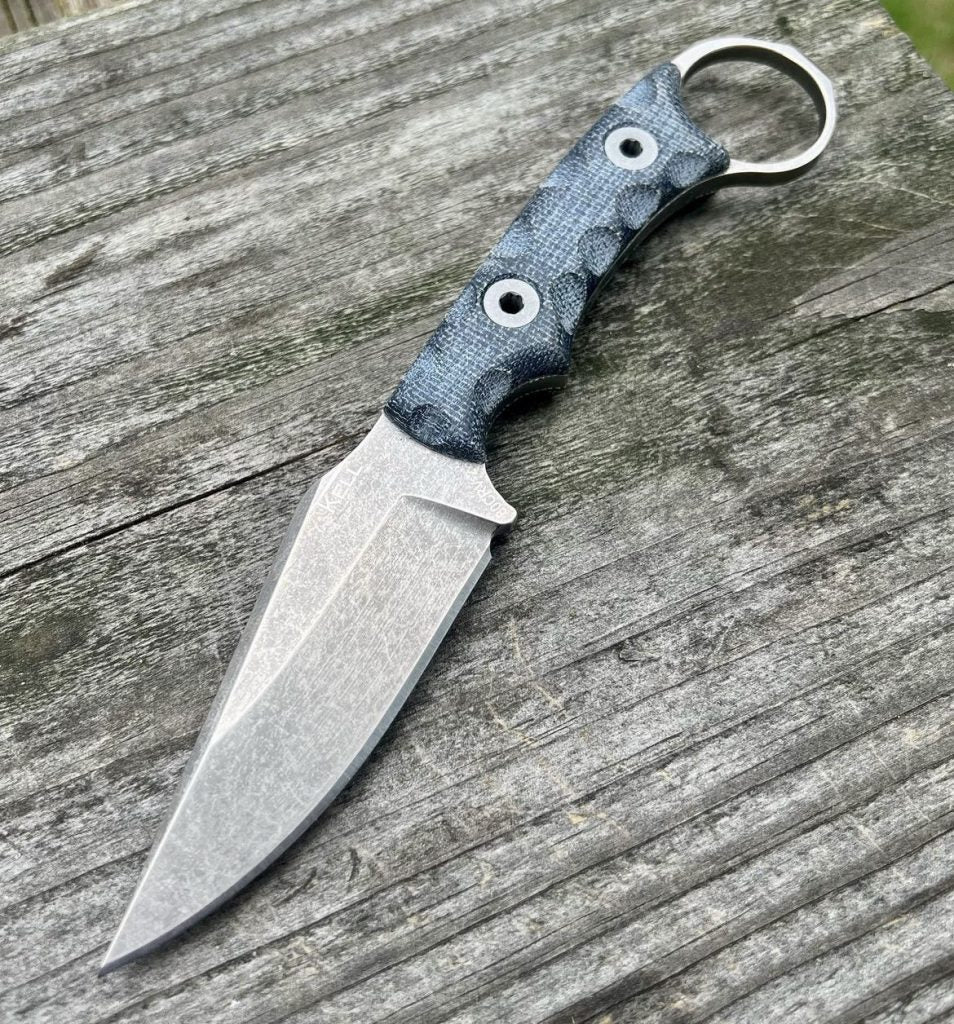
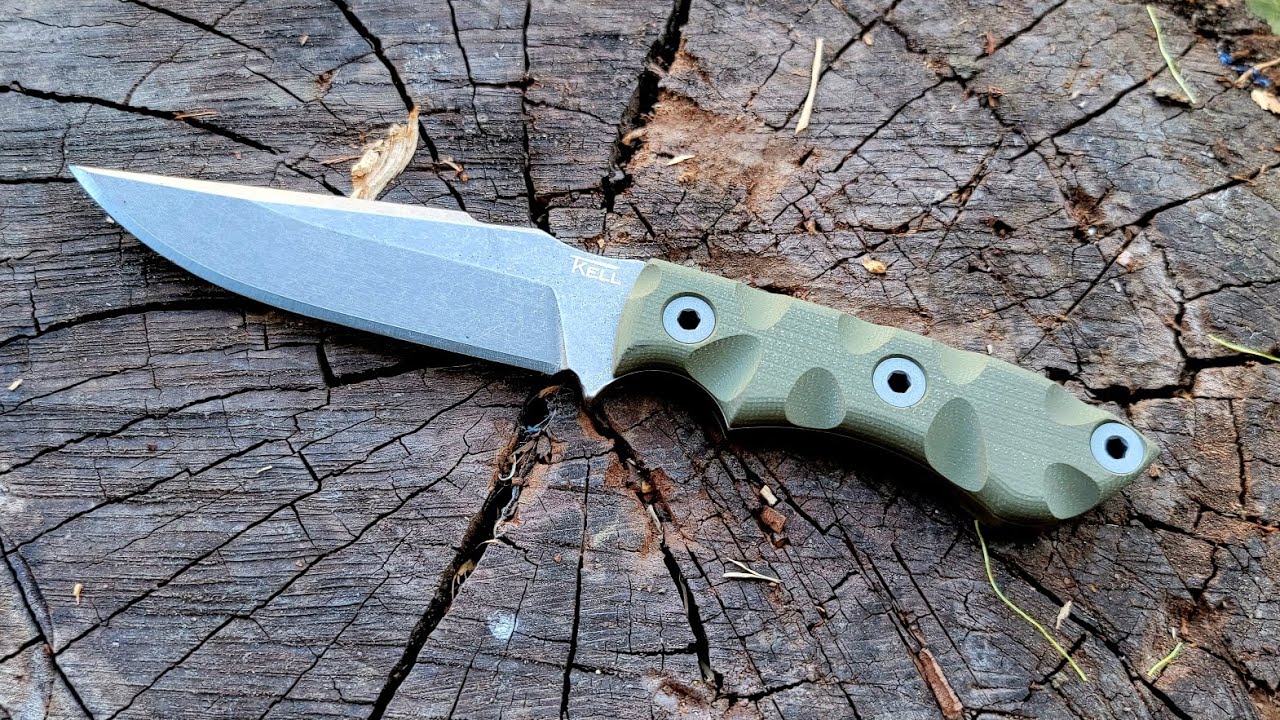
T.Kell Knives builds handcrafted, American-made EDC and tactical blades designed for real-world use and backed for life. Every knife is veteran-designed, made in the USA, and supported by free lifetime sharpening and a lifetime warranty.
-
Explore handcrafted custom EDC and tactical knives built to take a beating and hold an edge.
-
Choose a blade matched to your hand, your carry style, and your mission.
-
Buy once and keep it a sharp blade for life with free lifetime sharpening.
Stop babying a dull blade that cannot keep up. Shop T.Kell Knives and carry something built to last a lifetime.