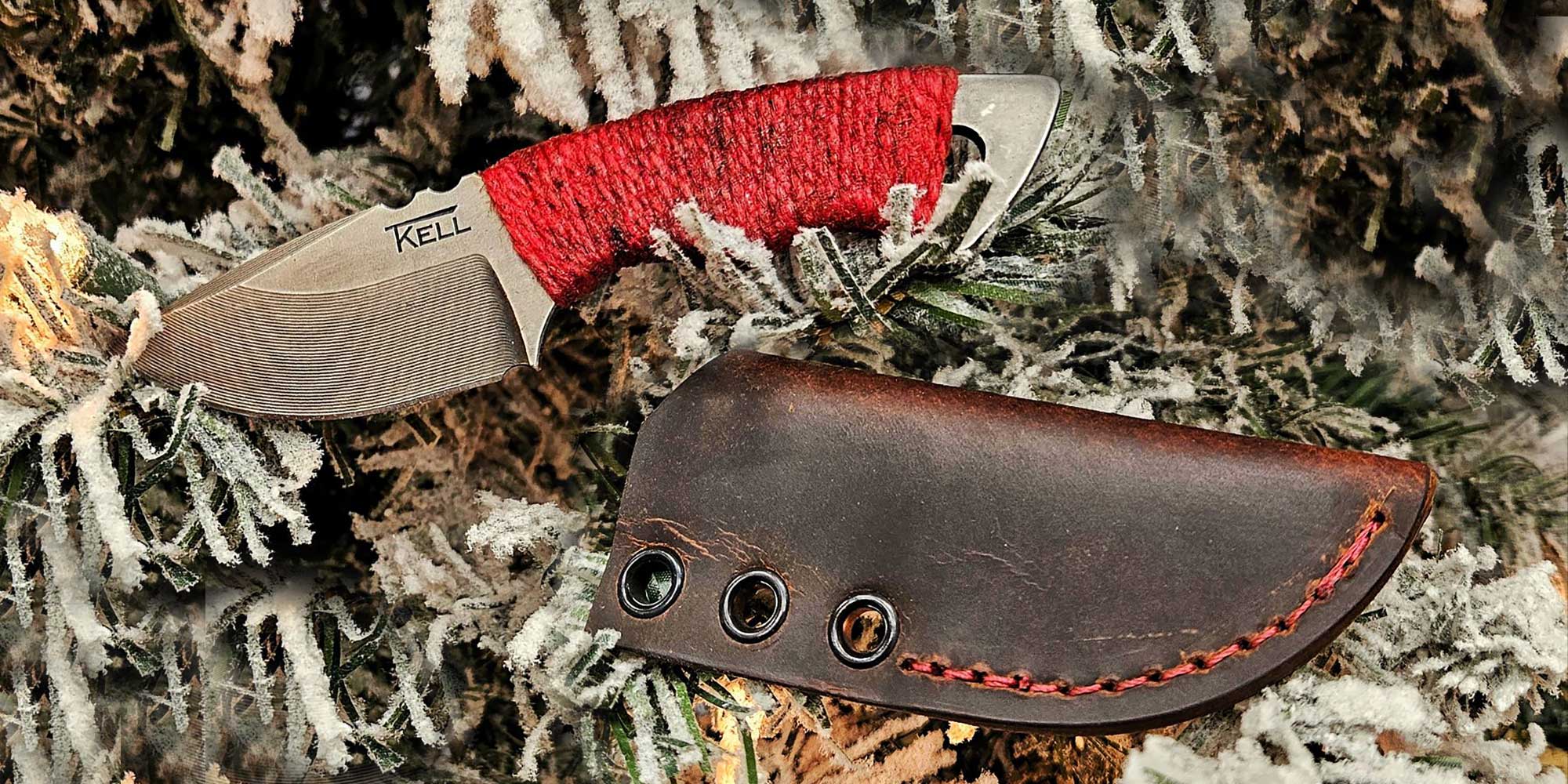

How the Right Steel Shapes Every Cut
The steel inside a knife matters more than the handle, the finish, or the brand on the blade. The right steel determines how long your edge lasts, how easily you can sharpen it, and how it holds up to real work.
At a Glance:
-
High carbon steels like 1095 and 80CrV2 are top picks for hard-use tactical and survival knives.
-
Nitro-V stainless steel offers strong edge retention for premium daily carry.
-
AEB-L stainless steel takes a fine edge that suits concealed carry and precision cutting.
-
Heat treatment and coatings often matter as much as the steel itself.
-
T.Kell Knives uses each of these steel types for specific knife jobs.
Picking the best steel for knives is less about chasing one perfect formula and more about matching the steel to the work the blade will do. The breakdown below covers what each major steel type does well, where it falls short, and which T.Kell models use it.
What Makes a Steel Good for Knife Blades?
Every knife steel is a tradeoff between four properties:
-
Edge retention. How long the blade stays sharp under use.
-
Toughness. How well the blade resists chipping, cracking, or breaking under impact.
-
Corrosion resistance. How well the steel fights rust when exposed to water, sweat, or salt.
-
Ease of sharpening. How quickly you can bring the edge back with field tools or diamond stones.
No steel maxes out all four. A blade with extreme edge retention often gives up toughness. A steel with strong rust resistance often loses some sharpening ease. The best knife steel for any job is the one that balances these properties for how you actually use the knife.
Heat treatment plays just as big a role. The same steel can perform very differently depending on how it's hardened, tempered, and finished. A well-heat-treated high carbon blade can outperform a sloppily treated premium stainless steel.

095 and 80CrV2 High Carbon Steels: The Hard-Use Workhorses
High carbon steels like 1095 and 80CrV2 have been knife industry standards for decades. They have simple, predictable chemistries that make them easy to heat treat correctly and easy to sharpen in the field.
What these high carbon steels do well:
-
Solid toughness for batoning, prying, and impact work.
-
Easy to bring back to a sharp edge with basic stones.
-
Hold a strong working edge once properly heat treated.
-
Affordable enough to keep custom knife pricing reasonable.
The tradeoff is corrosion resistance. Plain high carbon steels will rust if you neglect them, which is why coatings matter so much for hard-use knives. T.Kell Knives addresses this directly by coating their high carbon blades in their proprietary Nickel Boron T1C finish. This adds corrosion and wear resistance to help protect the carbon steel blade without sacrificing the toughness that made these steels a favorite in the first place.
T.Kell Knives that use high carbon steel:
-
Raider — a do-anything fixed blade knife with .165-inch high carbon steel and a Nickel Boron finish.
-
High carbon variants of multiple models in the lineup, including the Nautilus, which is available in either high carbon or stainless options.
If you want a hard-use survival knife or tactical fixed blade for years of work, a high carbon steel is the type to look for.
Nitro-V Stainless Steel: Premium Daily Carry
Nitro-V is a newer stainless steel that has earned a strong reputation for daily carry knives. Its chemistry includes nitrogen and vanadium, which boost edge retention and corrosion resistance without making the blade brittle.
What Nitro-V does well:
-
Strong corrosion resistance for sweat, salt, and weather.
-
Holds an edge longer than most traditional stainless steels.
-
Good toughness compared to many high-end powder metallurgy steels at similar hardness.
-
Takes a fine, sharp edge that lasts.
The tradeoff is sharpening difficulty. Nitro-V holds its edge well, but bringing back a dulled blade takes more time and better stones than a simple high carbon steel. Most owners find this an acceptable price for a knife that goes longer between sharpenings.
T.Kell Knives that use Nitro-V:
-
Nightstalker — a defensive EDC blade with a 3-inch Mako-style fighter blade, hardened to 60-62 HRC, dual tempered with deep cryogenic treatment, and finished in NiB Apocalyptic.
Nitro-V is the right steel for a knife you'll carry every day in any environment.

AEB-L Stainless Steel: Precision and Concealed Carry
AEB-L was originally designed for razor blades, which tells you something about its capabilities. It takes an extremely fine edge, sharpens cleanly, and resists corrosion well, all while remaining tougher than many premium stainless steels at similar hardness levels.
What AEB-L does well:
-
Takes a razor-fine edge with crisp geometry.
-
Strong toughness for a stainless steel.
-
Excellent corrosion resistance for concealed carry against the body.
-
Sharpens more easily than higher-vanadium stainless steels.
The tradeoff is that AEB-L doesn't hold an edge quite as long as some powder metallurgy steels with more vanadium carbide. For a slim concealed carry blade or a folding knife where clean cutting matters more than prying strength, that's a tradeoff most owners gladly make.
T.Kell Knives that use AEB-L:
-
Nautilus V3 — an ultra-low-profile concealed carry blade in AEB-L, 60-62 HRC, dual tempered with deep cryogenic treatment.
AEB-L is the steel type to look for in a precision cutter or a concealed carry blade.
How T.Kell's Heat Treatment and Finish Process Adds More Performance
The steel inside the blade is only half the story. The other half is what happens to that steel after it's cut to shape.
Every T.Kell blade goes through:
-
In-house heat treatment to exact hardness specs, typically around 57 HRC for high carbon steels and 60-62 HRC for Nitro-V and AEB-L.
-
Dual tempering to balance edge hardness with overall toughness.
-
Deep cryogenic treatment on stainless models to refine the grain structure.
-
Nickel Boron coating for added wear resistance and corrosion protection.
That process is part of why a T.Kell high carbon blade outperforms many factory knives that use higher-priced steels. Steel chemistry is a starting point. Heat treatment and finish are what turn it into a working knife blade.
Picking the Right Steel for Your Use Case
Here's a quick way to match steel type to use case if you're shopping the T.Kell lineup:
-
Hard-use survival knives, batoning, outdoor field work → high carbon steel (Raider, high carbon Nautilus variant)
-
Premium daily carry, defensive EDC → Nitro-V stainless steel (Nightstalker)
-
Concealed carry, precision cutting → AEB-L stainless steel (Nautilus V3)
Outdoor enthusiasts who care about edge toughness and field sharpening lean toward high carbon. People who carry every day and want a knife that handles weather and sweat lean toward Nitro-V. People who prioritize a fine edge and slim concealment lean toward AEB-L.
Note that some models, like the Nautilus, are offered in both high carbon and stainless. That gives you the option to choose the steel based on your use case rather than the knife shape.
| Steel Type | Best Use | T.Kell Models | Key Strength |
|---|---|---|---|
| High Carbon (1095, 80CrV2) | Hard-use survival and tactical | Raider, Nautilus (high carbon variant) | Toughness and easy field sharpening |
| Nitro-V Stainless | Premium daily carry | Nightstalker | Edge retention with corrosion resistance |
| AEB-L Stainless | Concealed carry and precision cutting | Nautilus V3 | Razor-fine edge and rust resistance |
Find Your Next Knife at T.Kell
Every T.Kell blade is Marine Corps veteran-designed, handmade in Northwest Georgia, and backed by a lifetime "Life of the Knife" warranty. If you're after a full-tang knife for outdoor work, a defensive EDC, or a concealed carry blade, there's a steel type and model built for the job.
Browse the full T.Kell lineup and pick the steel that matches the way you actually use a knife.
Frequently Asked Questions
What is the best steel for knives?
There's no single best knife steel. The right steel depends on the job. High carbon steels like 1095 and 80CrV2 are best for hard-use survival knives, Nitro-V is best for daily carry, and AEB-L is best for concealed carry and precision cutting. T.Kell Knives uses each of these steel types in different models for specific uses.
Is high carbon steel better than stainless steel?
Neither is universally better. High carbon steel is tougher and easier to sharpen. Stainless steel resists rust better and holds an edge longer in damp environments. Most high carbon blades from T.Kell are coated in Nickel Boron, which adds corrosion and wear resistance to help protect the carbon steel blade.
What steel does T.Kell use for the Raider?
The Raider uses a high carbon steel with a Nickel Boron Battleworn finish. Specific steel chemistry is listed on the current product page at tkellknives.com.
What steel is the T.Kell Nightstalker?
The current Nightstalker uses Nitro-V stainless steel, hardened to 60-62 HRC with dual tempering and deep cryogenic treatment.
Is AEB-L good for folding and fixed blade knives?
Yes. AEB-L takes a fine edge, sharpens cleanly, and resists corrosion well, which makes it a strong choice for slim fixed blades like the T.Kell Nautilus V3.
Do I need diamond stones to sharpen these steels?
For high carbon steels like 1095 and 80CrV2, basic stones work fine. For Nitro-V and AEB-L, diamond stones or high-quality ceramic stones make the job faster and more consistent because of their higher hardness and edge retention.
What is Nickel Boron and why does T.Kell use it?
Nickel Boron is a hard, low-friction coating originally used on firearms. T.Kell applies it to their blades for added wear resistance and corrosion protection on top of a battleworn finish that holds up to heavy use.