
Before You Strap In
Most people carry a knife incorrectly, and it can cost them a clean draw when it counts.
At a Glance:
-
A fixed blade locked into a fitted sheath is the most reliable way to wear a knife in a belt.
-
Belt clips are quick to move between rigs. Belt loops are the most secure hold.
-
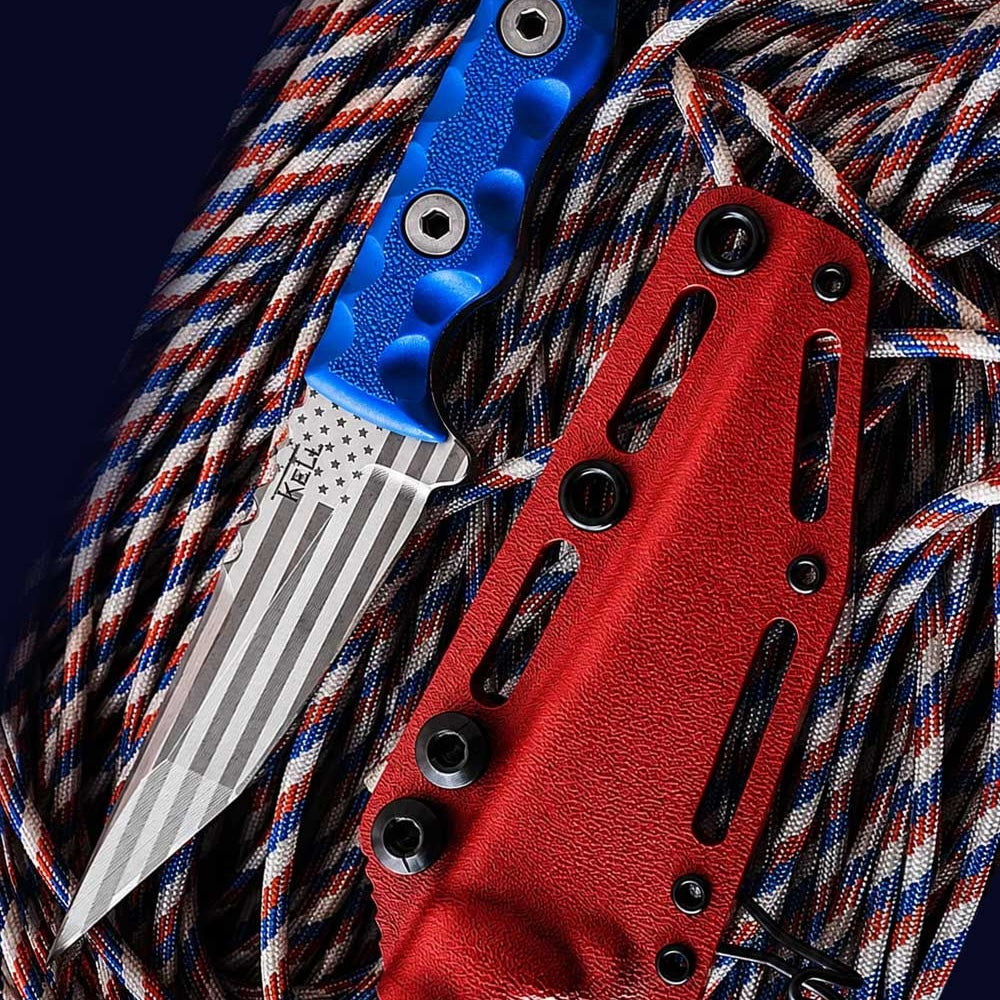
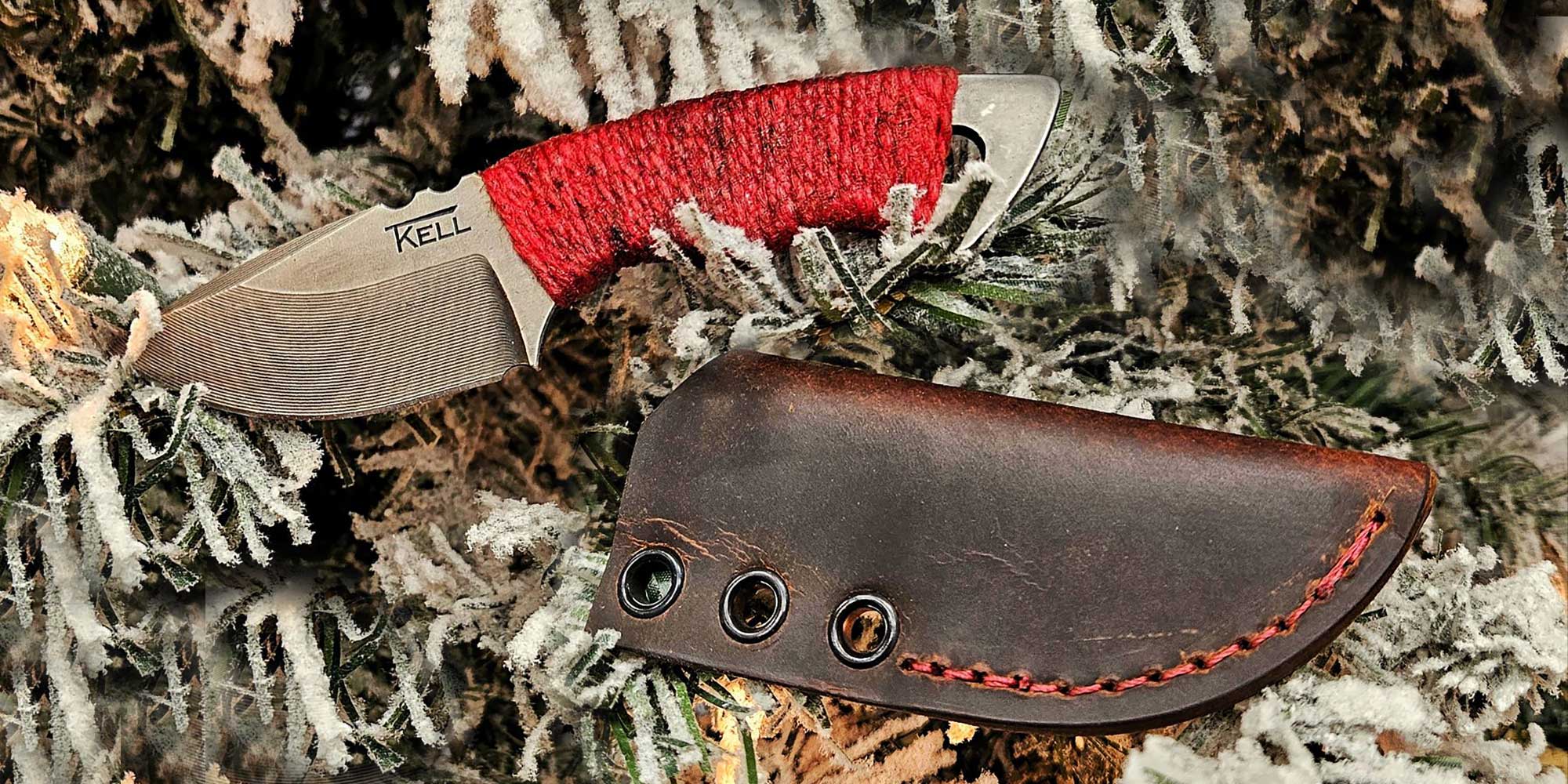
Kydex gives a fast, locked-in draw, while a leather sheath is quiet and classic.
-
Carry position should match your waist size and dominant hand.
-
Knife laws change by location, so check yours before you carry.
If your knife flops around, prints through your shirt, or slides off, the fix is almost always the setup, not the blade.
How Do You Wear a Knife in Your Belt?
Wear a knife in a belt by locking a fixed blade into a fitted sheath, then anchoring that sheath to your belt with a clip, a loop, or a leather strap. Set it at the spot your hand reaches fastest, usually just behind your strong-side hip, and match the position to your waist size so the handle lands right where you grab. The blade you pick, the sheath material, and the belt under it all decide how well the setup rides.
Belt carry is one of the oldest, most dependable ways to keep a blade within reach, and it works for everyday carry, outdoor use, and hard work as long as you have the right parts.
4 Ways to Carry a Knife on Your Belt

Most belt carry falls into a few proven setups. Pick the one that matches your gear, your build, and how you plan to draw.
Inside the Waistband (IWB)
-
The sheath rides between your body and your pants, held by a clip that hooks over the belt.
-
Best for a hidden knife you want out of sight under an untucked shirt for self defense or discreet everyday carry.
-
Works well with a slim kydex sheath and a shorter blade around 3 to 4 inches.
Outside the Waistband (OWB)
-
The sheath sits outside your pants on the belt, with the handle standing above the belt line.
-
This gives the fastest draw, which is why many in law enforcement and outdoor work carry this way.
-
Pairs well with a kydex or leather sheath and a set of belt loops.
Horizontal (Scout) Carry
-
The sheath mounts sideways along the belt at the front or the small of your back.
-
Good for a larger version of a compact blade, or a full fixed blade, when a vertical draw would jab your ribs.
-
It keeps a longer blade close and low so it does not catch on your arm as you move.
Belt Buckle Knives
-
Some carriers use knife belt buckles, a hidden knife built into the belt buckle itself, so the blade slides out of the buckle.
-
This keeps the profile low, but it is a niche style and not the same as a true belt-carried fixed blade.
-
Check your local law before you carry any concealed blade this way.
How the Sheath Attaches to Your Belt
How your sheath connects to the belt determines how secure and fast your carry is. T.Kell offers a few mounting options through our belt clips and carry hardware.
-
Belt clips: Snap over the belt for quick on and off. Great when you swap the knife between rigs.
-
Belt loops and soft loops: Thread the belt straight through for the most secure hold. Best for a fixed blade you carry all day.
-
Leather strap or snap: A leather strap over the handle keeps the knife from riding out during hard movement.
Kydex Sheath vs. Leather Sheath
Your knife sheath protects the knife edge and controls the draw. The two main choices are kydex and leather.

Either way, a good sheath keeps the flat grind and the knife edge covered so the blade stays sharp and safe against your body. On a T.Kell fixed blade, the stainless steel is heat-treated for long-lasting performance, so the steel holds its edge through real work. You can see the full sheath lineup on the T.Kell sheaths page.
Getting the Fit Right
A knife carries only as well as the belt under it. A thin dress belt will sag and let the sheath tip, so start with a belt made to hold gear.
-
Use a stiff leather belt rated for carry. A 1.5 inch width is a common, solid choice.
-
Match the carry position to your waist size so the handle sits exactly where your hand lands.
-
Keep the sheath clear of your belt buckle and pockets so nothing blocks the draw.
-
Wear the setup around the house first. A high quality belt and sheath should disappear on your hip after a few minutes.
Outdoor carriers often add more than one tool to the belt line. A small pouch for a ferro rod next to your outdoor knife keeps fire-starting gear right where the blade is. Dialing in belt carry takes a little grit up front, but once the sheath sits right it becomes second nature.
Staying Legal When You Carry
Where you carry a knife in a belt matters as much as how. Rules on blade length, concealment, and fixed blades vary by state and country, so know your local law before you strap in.
According to the American Knife and Tool Institute, knife laws in the United States vary by state and city, so check blade length limits and open versus concealed rules for where you live and travel. Rules abroad can be stricter. The United Kingdom government notes that carrying a knife in public without good reason is against the law.
Pro Tips for Belt Carry

-
Practice a slow, safe draw a few times before you rely on the setup for self defense.
-
Re-check clip tension every week. A clip that loosens can drop your knife without you noticing.
-
Wipe down the blade and re-oil a leather sheath so both stay in good condition.
-
If you carry a fixed blade for work, back it up with a smaller everyday carry knife in a pocket.
-
Break in a new leather sheath before you trust it in the field, since the fit tightens as the leather cures around the blade.
Set Up Your Belt Carry Right
Here is the bottom line: pick a blade you trust, lock it into a sheath built for how you carry, and anchor it at a spot you can reach without looking. Test the draw, walk around, and adjust until the rig disappears on your hip.
At T.Kell Knives, every fixed blade is hand-ground and heat-treated in the United States by a veteran-owned, faith-based, family-run shop near Chattanooga. Build the whole setup in one place and let our customer service team help you dial it in.
-
Browse handcrafted EDC and fixed blades or reserve a custom build ground for hard use.
-
Match a kydex sheath, a leather sheath, and belt clips to your hand and carry style.
-
Add the gear that rounds out your belt line.
Stop fighting a knife that will not stay put. Set up your belt carry with T.Kell Knives and run a blade that stays where you put it. Built for life. Ready for combat.
Frequently Asked Questions
Is a fixed blade or a folder better for belt carry?
A fixed blade is the stronger choice for belt carry. It has no moving parts to fail, comes out in one motion, and stands up to hard use, while a folder is better kept in a pocket as a backup.
What blade length works best on a belt?
Most people carry a blade between 3 and 5 inches on the belt. Shorter blades hide better for concealed everyday carry, while a larger blade suits outdoor and field work. Pick the length by the job.
Should I choose a kydex or a leather sheath?
Pick kydex for speed, weather resistance, and a locked-in click. Pick a leather sheath for a quieter draw and a classic look with a leather belt. Many carriers keep one of each and swap by the day.
Can I mount the sheath anywhere on the belt?
Within reason, yes. Set it where your hand naturally falls, clear of your belt buckle, and at an angle that lets the blade clear in one pull. Just behind the strong-side hip works for most people.
Is it legal to carry a knife on my belt?
It depends on where you are. In the United States, blade length and concealed carry rules change by state and city, so confirm your local law with a source like the American Knife and Tool Institute. Other countries, including the United Kingdom, are far stricter about carrying a knife in public, so check before you travel.